


It’s September, the kids are back to school and truth be told, so are most of us. Our industry is in flux, and it’s not easy to keep up.
During my holiday I found myself wondering where the biggest challenges lie. I kept coming back to four inter-related themes.
Financial Nous hits the Mainstream
As I write the English Premier League Transfer Window has just closed. This Summer has seen new business models cropping up to manage around Fair Play regulations. Inevitably there will be a few glitches to iron out, but at least it means the rules are biting.
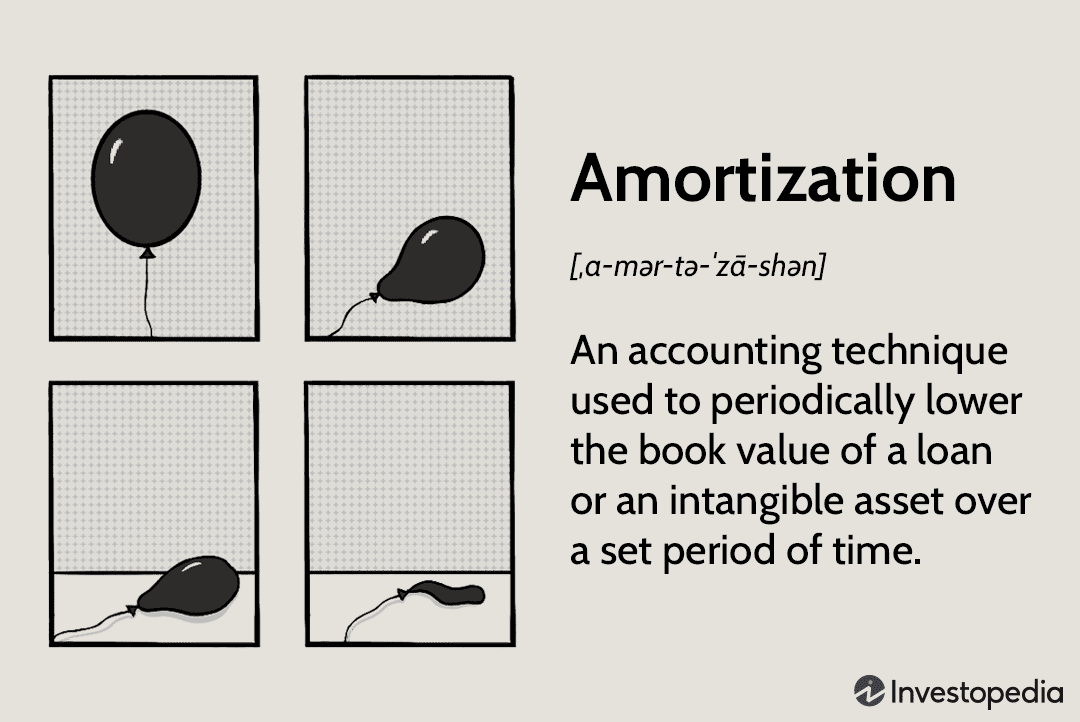
It’s interesting how fans’ awareness of their club’s financial situation has increased. In the UK, Kieran Maguire and Kevin Day’s Price of Football podcast has done a stellar job. ‘If you’re a football fan and can’t explain ‘amortisation’ as well as the role of a ‘false nine‘, it’s harder than it ever was to understand day-to-day decisions at your club.
Our latest Unofficial Partner Others People’s Money Series podcast last week was on a similar subject. We were joined by Milltown Partners’ Jon Lenson and Sam Johnson. They have recently conducted this research on how US investors should communicate their strategy for European football teams, uncovering a base level of distrust across Europe.
As Sam told us, levels of trust and confidence are extremely low ‘’There is a complete rejection of investor synergies between sports. In Europe revenue generation is interpreted as profit extraction. There is also a real fear that (investors) just don’t get it‘’
Fans might have a growing understanding of the issues at hand, but they don’t necessarily mean they empathise.
The Politics Have Just Begun
The Paralympics are now well under way. It’s an incredible event, but very soon President Macron will be grimly reminding himself that the political games have only just begun for France – as Bloomberg explains.

Traditionally the impact of the Olympic and Paralympic Games on voters is relatively short-lived, but that doesn’t mean the Games aren’t a hugely potent political meeting and influence point. Former IOC Marketing Director Michael Payne’s story about Nobel Peace Prize winner Professor Yunus from Bangladesh takes some beating on that front.
Despite its new leader, Bangladesh’s instability continues to reverberate around the sporting world, with UAE taking over as the hosts of the next ICC Women’s T20 Cricket World Cup. One other potential host was Sri Lanka, however they themselves have just returned from a ban for the overt involvement of their politicians in cricket.
Before first world nations start feeling a little above the explicit involvement of politicians in sporting matters, let’s not forget the last US election. Game on…
Pivot Point for ‘Broadcast’
Of course, politicians focus on areas where the public really cares. America certainly cared about the Olympics, with very strong ratings.
Beyond the numbers themselves, what interested my most about the release above was the cross-platform nature of the reporting. We’ve finally reached the point where a phone viewer can be tracked and counted alongside a television one. CNN reported the same data ‘’across a constellation of platforms’’
Mobile platforms are fundamental to multi-sport events, in particularly on different time-zones. As the LA Times reported, ‘‘the gold-medal-winning performance of (Simone) Biles and the U.S. women’s gymnastics team was watched by 12.7 million people across NBC’s platforms, even though it ran smack in the middle of the workday.”
Eyeballs are only one part of the new digital monetisation model. Both NBC (in the US) and Discovery (in Europe) chose to build a premium app experience for paid subscribers. This enabled access to all feeds on demand with light curation to keep the viewer abreast of other big moments across Paris. I was happily watching the hockey until being given the option to switch to watch Keely Hodgkinson compete in the Women’s 800m Athletics Final.
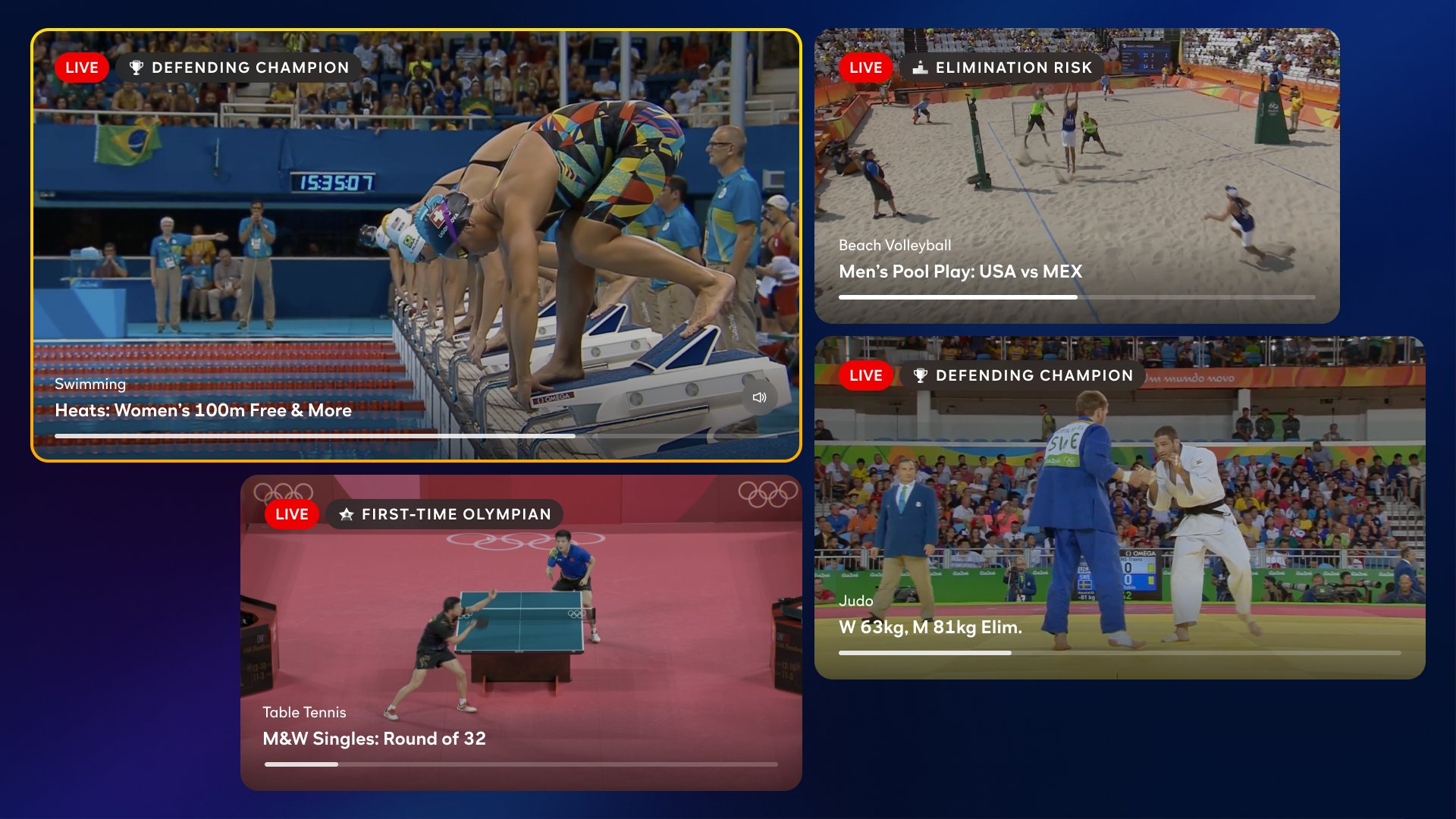
This premium experience came at a cost of access to those stuck the other side of the wall. Since London 2012, the British have felt a divine right to watch anything Olympic whenever they want, but that is no longer reality. The BBC did a solid job of explaining why they had no choice but to curate on behalf of a nation. Financials in the mainstream once again.
As much as a paywall for all-access content access to the Games is inevitable, it doesn’t mean it’s profitable. The numbers for streaming live sport are not yet adding up. Early this year we saw arch rivals Discovery, Disney and co joining up to try to bundle their sports rights in the US to try to build a compelling offer for those as yet unprepared to pay for the bells and whistles of streaming. No wonder only the very top tier sports like NFL and NBA are finding their broadcast revenues increasing. How sport squares this circle will be key for its future.
See You in Court
This marriage of convenience between the heavyweights of entertainment is unsurprising. Change always brings redefinition & pushing boundaries of what’s possible. Competitors become collaborators – and vice versa. NFL and NBA are in the midst of legal wranglings with their incumbent broadcast partners as this Unofficial Partner podcast describes well.
I suspect these skirmishes are the thin end of a new wedge and that we will see European soccer re-enter some kind of Super League debate this season as the spectre of FIFA’s Club World Cup looms large at the end of an 11-month season. Given the base distrust Milltown identified in their research, this will likely bring a powder keg of fan resentment. In the US, athletes will haggle with their Colleges as students athlete have won the right be be paid in the US College system.
Athletics may well offer the ultimate petri dish of new versus old. Former athletes are lining up to drive change in athletics. Seb Coe from the inside (World Athletics were the first Federation to pay athletes for gold medals at Paris 2024). Michael Johnson with a breakaway league that will reward the best athletes totally differently. Ironic, then, that Coe is one of a very few viable candidates to take over as President of the IOC. Tectonic plates are shifting, but it’s not yet clear where the biggest earthquakes will occur.
So Where does that Leave Us?!
So there we have it. Investors struggling to survive contact with the customer. Politicians who can’t do without sport, but also can’t seem to mobilise it. Misfiring digital unit economics within sport’s biggest revenue driver. Rules of the game that are being redefined both on and off the track. Many of us our scratching our heads trying to work out whether that is is equation which can even be solved. I did say we’re still at school.
Ultimately it’s an unstable world right now, and so there’s no reason sport would be any different. The default public position in many of the biggest sports markets in the world is distrust, as Edelman’s Annual Trust Barometer describes very clearly.

In that context, no industry, government or form of media can make meaningful progress with its head in the sand. The sport industry has lived for too long in its own little bubble, doing deals with itself and staying broadly under the radar. That is completely unsustainable in an era of such public distrust. Instead, sport’s future relies on better quality dialogue with the politicians, the financiers and yes, even the public. Each of these to some extent distrust our process at the moment. None of them have any real tolerance for 6 different sport subscriptions, court cases, labour disputes or poorly executed investments. The choice is ours: change or be changed.
Contrary to what most people believe, trust is not some soft, illusive quality that you either have or you don’t; rather, trust is a pragmatic, tangible, actionable asset that you can create. – Stephen Covey


